
Nigeria is once again standing at a decisive moment in its history.
Climate change is no longer a distant forecast or an abstract environmental concern. Its effects are already unfolding across the country — through deadly floods, rising hunger, worsening health conditions, deepening poverty, and growing insecurity. If urgent and coordinated action is not taken, 2026 could mark one of the most severe climate-driven crises Nigeria has ever faced.
In line with its mission to promote peace, resilience, and socio-economic development across Africa, SocioAfrica issues another strong warning to Nigeria on the escalating dangers posed by climate change.
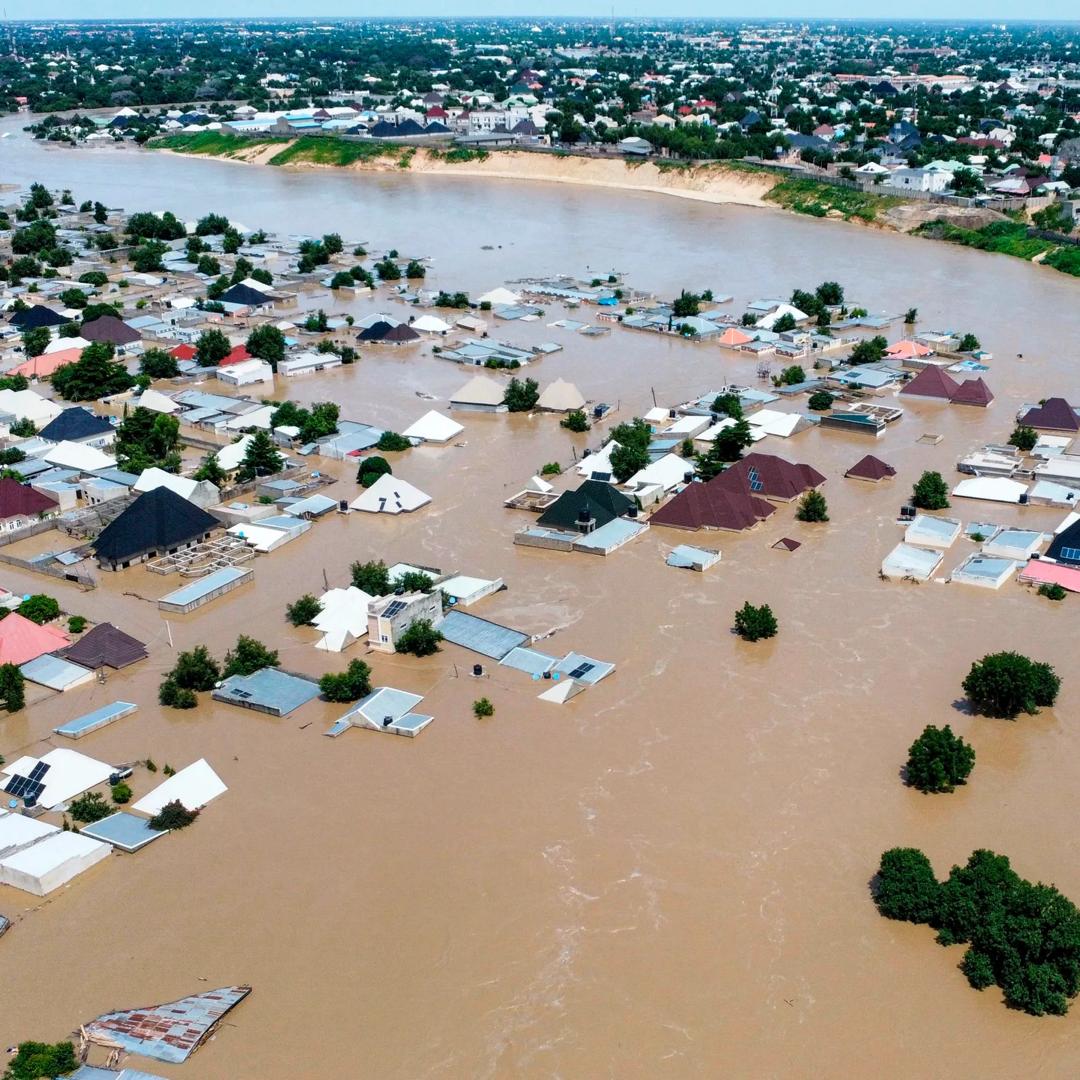
Flooding: A Threat to Lives and Infrastructure
Seasonal flooding in Nigeria has become more frequent and more destructive. Entire communities are displaced yearly as rivers overflow and drainage systems fail.
By 2026, unchecked climate impacts could result in:
- Massive displacement of families across riverine and coastal states
- Destruction of homes, schools, hospitals, roads, and power infrastructure
- Loss of farmlands and food storage facilities
- Severe urban flooding in major cities such as Lagos, Ibadan, Benin, Lokoja, Makurdi, and Port Harcourt
Flooding is no longer a temporary challenge — it is evolving into a permanent humanitarian emergency.
Food Insecurity: Hunger and Rising Prices
Climate instability is directly undermining Nigeria’s food systems. Irregular rainfall, prolonged droughts, floods, and land degradation are reducing agricultural output nationwide.
If current trends continue, Nigeria may face by 2026:
- Sharp declines in crop yields
- Escalating food prices beyond the reach of millions
- Increased malnutrition, particularly among children and pregnant women
- Greater reliance on food imports
Food insecurity fuels social unrest and weakens national stability.
Health Crises: An Overburdened System
Climate change intensifies public health risks. Floodwaters spread cholera and typhoid, while rising temperatures increase malaria, heat exhaustion, and respiratory illnesses.
Projected health impacts include:
- Frequent disease outbreaks in flood-prone communities
- Overstretched hospitals and healthcare workers
- Higher mortality among the elderly, children, and displaced populations
- Rising mental health challenges linked to loss of homes and livelihoods
A climate crisis quickly becomes a health crisis.
Poverty and Livelihoods: Millions at Risk
As floods destroy assets and farms fail, millions of Nigerians face the loss of their livelihoods.
By 2026, climate shocks could cause:
- Widespread income loss for farmers, fishermen, traders, and informal workers
- Increased unemployment and forced migration
- Expansion of informal settlements and urban slums
- Growing inequality and social frustration
Without intervention, climate change could reverse years of economic and social progress.
Conflict and Insecurity: Farmers–Herders Crisis
Environmental stress is a major driver of conflict in Nigeria. Desertification, shrinking water sources, and loss of grazing land are intensifying competition between farmers and herders.
If left unresolved, climate pressure may lead to:
- Escalation of farmer–herder clashes
- More communal violence and rural insecurity
- Increased displacement and humanitarian needs
- Exploitation of climate-induced tensions by criminal and extremist groups
Climate change is increasingly acting as a conflict multiplier.
A Call for Urgent National Action
SocioAfrica calls on the Federal Government of Nigeria, state and local authorities, security agencies, traditional and religious leaders, civil society, and the private sector to treat climate change as a national emergency.
Priority actions must include:
- Large-scale investment in flood control, drainage, and climate-resilient infrastructure
- Strengthening early-warning systems and disaster preparedness
- Support for climate-smart agriculture and food security initiatives
- Building resilient healthcare systems
- Long-term, inclusive solutions to farmer–herder conflicts
2026 Is Not Far Away
Nigeria still has an opportunity to act.
Ignoring these warnings will deepen poverty, instability, and suffering. Acting decisively now can save lives, protect livelihoods, and secure peace for future generations.
Climate change is accelerating.
Nigeria must respond with urgency, unity, and foresight.
This article is published by SocioAfrica as part of its ongoing advocacy for climate justice, peacebuilding, and sustainable socio-economic development across Africa.
Leave a Reply